#Sustainability
Life beneath the surface: How Abu Dhabi is blending urban growth with the natural world
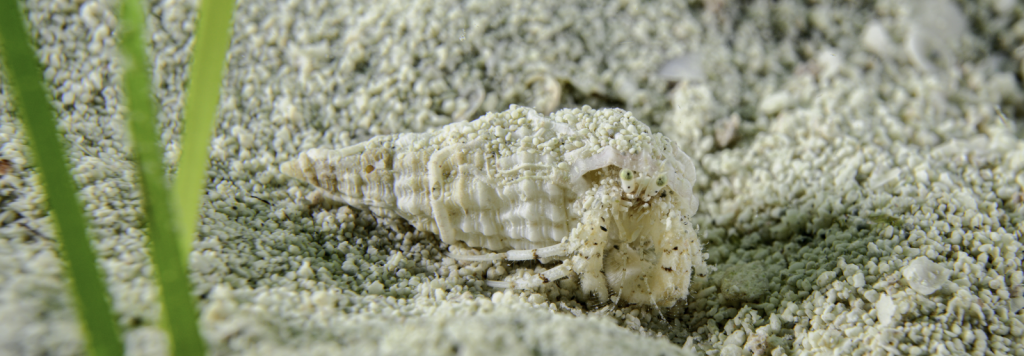
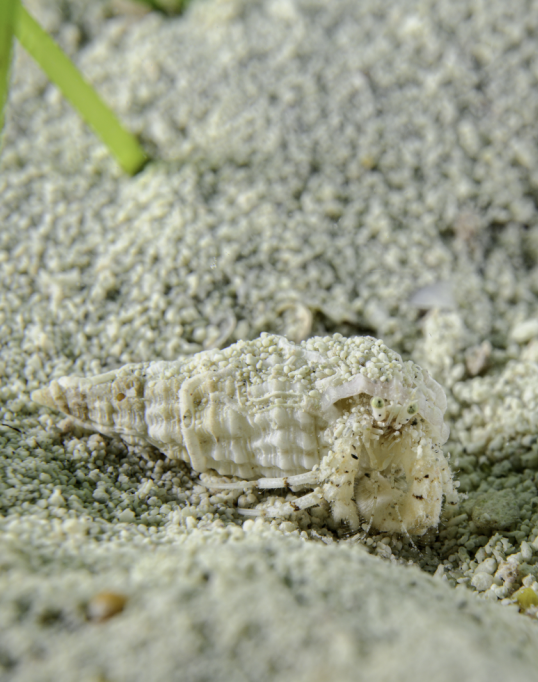
In the turquoise waters off Saadiyat Island, sea turtles glide through seagrass meadows, rays settle on the sand, and schools of fish thread through coral and oyster beds. A landmark biodiversity study commissioned by Aldar, with Emirates Nature – WWF and the Environment Agency – Abu Dhabi, has documented this vibrant ecosystem in detail, while translating the science into guidance for planners and developers to support natural coastline preservation.
This important work is set against the backdrop of the IUCN World Conservation Congress, hosted by Abu Dhabi from 9 to 15 October 2025, underlining the UAE’s growing voice on biodiversity, climate and sustainable investment.
The Saadiyat Marine National Park Biodiversity Characterization Report presents the first comprehensive picture of the emirate’s shallow nearshore habitats. Using environmental DNA sampling, baited remote underwater video and scientific diving, researchers recorded six distinct habitat types and more than 100 species, including dugongs, dolphins and two species of turtle. Endangered species such as the Halavi guitarfish and the Pakistan whipray were observed, confirming the area’s value as nursery and feeding grounds for marine life.
Following the report, Aldar has carried out a review of policies and conducted workshops to ensure biodiversity considerations cascade through the business.
“Seeing the live footage really surprised our teams,” said Maryam Al Ali, Senior Associate, Sustainability at Aldar, of more than 200 hours of underwater filming. “It helped shift mindsets and embed biodiversity thinking across our operations.” “We realised there’s a need for more training, like the sessions we already run for hospitality and beach patrol staff on rescuing or reporting stranded marine animals,” said Al Ali. “Our goal now is to embed biodiversity actions and KPIs at every level.”
Science as a foundation for sustainable growth
The Aldar-sponsored study distils the science into a few simple practices that can inform planning in coastal cities in the UAE and beyond. It highlights measures such as maintaining water clarity during works by capturing silt and checking turbidity in real time; setting quiet zones and sensible boat speeds to limit disturbance; using low, shielded amber lighting during turtle season; and using biodiversity maps at the design stage to build in buffers and route access away from sensitive oyster-bed and hard-bottom areas. It also encourages year-round monitoring that combines traces of DNA in seawater, underwater cameras and dive surveys, so that coastal management can adapt as conditions change.
The report recommends community participation and ‘citizen science’ to strengthen outcomes, for example deploying trained volunteers to record sightings of turtles, rays and dolphins, logging nesting tracks, collecting simple water-quality readings and submitting geo-tagged photos. These observations can help focus protection initiatives where they are needed most.
“It would be wonderful to see every Aldar neighbourhood have its own citizen scientists contributing to biodiversity databases,” Al Ali said. “That’s how conservation becomes part of everyday life.”
Communities that grow in harmony with nature
Aldar’s work on biodiversity and its net zero commitment align with the UAE’s wider policy direction. Under its updated Nationally Determined Contribution (NDC 3.0), the country aims to reduce greenhouse gas emissions by 47 per cent by 2035, with nature-based solutions identified as a core element of national climate strategy. The National Biodiversity Strategy 2031 embeds ecosystem protection into planning and encourages collaboration across government, business and civil society.
The biodiversity report forms part of Aldar’s broader collaboration with the Environment Agency on its ‘Abu Dhabi Mangrove Initiative’, with the company planting 850,000 mangrove seeds. On Yas Island, where its landbank includes a healthy mangrove forest, Aldar is establishing rules to safeguard 16 hectares of reserve, supported by satellite monitoring. The company is also applying the findings of the study to future coastal developments such as Nurai Island, where coral reefs and seagrass beds sit near development sites.
“It’s about restoring, protecting and avoiding any activity that disrupts blue-carbon ecosystems mangroves, seagrass, coral reefs, salt marshes and intertidal mudflats,” explained Al Ali. “Because so many of our assets sit along Abu Dhabi’s coastline, we have a real responsibility to safeguard them. Knowing the sensitivity of these ecosystems is helping our teams plan with greater care, so we preserve the life that makes these islands special.”